
This post may contain affiliate links. Please read our disclosure policy.
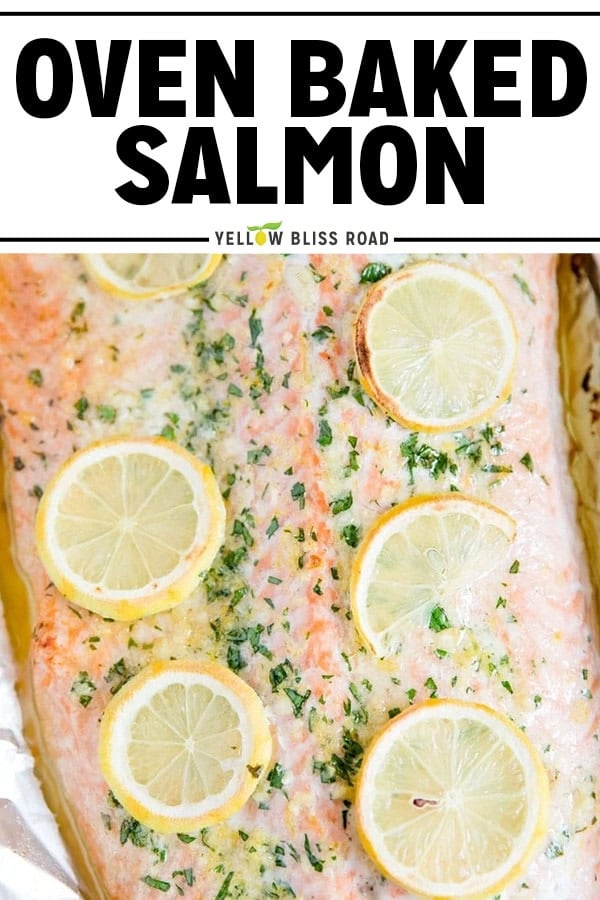
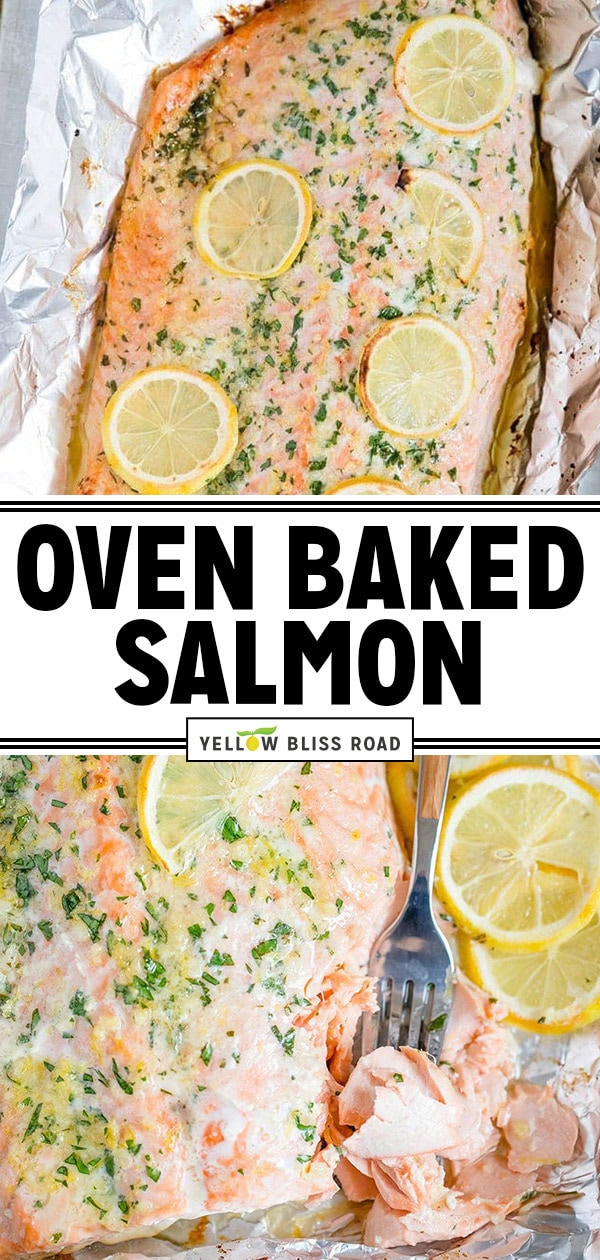
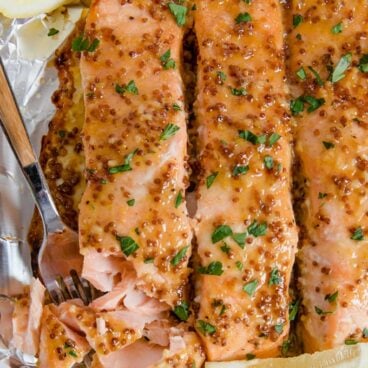
This easy baked salmon is topped with a simple honey garlic butter and lemon for tender, flaky fish every time. Baked at 400°F for just 15 minutes, it’s our family’s go-to recipe for busy weeknights.
If you love easy salmon dinners, try Baked Honey Mustard Salmon for a tangy twist, Salmon Bowls for a lighter meal, or classic Salmon Patties when you want something a little different.
Before You Get Started
A few quick tips to help you nail this recipe:
- Don’t overcook your salmon. This is the number one mistake. Bake at 400°F for about 15 minutes and pull it from the oven when it reaches 130-135°F internally. It will continue cooking as it rests.
- Start with fresh, quality fish. Salmon should smell like the ocean, not “fishy.” Look for bright, vibrant color with no discoloration or dull spots.
- Create a foil boat around the salmon. Bringing up the sides of the foil keeps all that delicious honey garlic butter right where it belongs and makes cleanup a breeze.
How to Choose the Best Kind of Salmon
You’ll typically find two options at the grocery store: farm-raised and wild-caught. Both work beautifully for baking, but here’s what sets them apart.
Farm-Raised Salmon is higher in fat, which gives it a milder flavor and makes it more forgiving if you slightly overcook it. It’s usually Atlantic salmon with a pale pink/orange color and tends to be the more affordable option.
Wild-Caught Salmon has a deeper red/orange color and leaner texture, with a richer, more distinctly “salmon” flavor. It comes in several varieties (King, Sockeye, Coho, Pink, and Chum) and is typically pricier since it’s caught by smaller fishing operations.
We prefer farm-raised for its milder taste, but either choice will give you delicious results with this recipe.
RECIPE WALK-THROUGH
How To Make Oven Baked Salmon
See the recipe card below for full, detailed instructions
Step 1 – Prep the Salmon
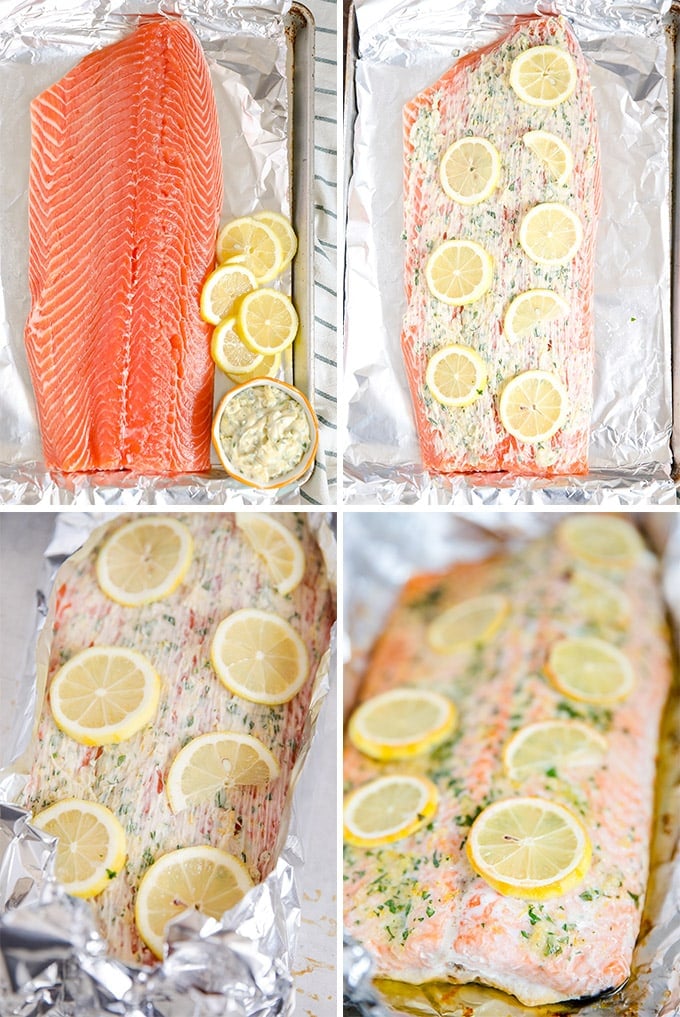
Start by preheating your oven to 400°F and lining a large rimmed baking sheet with foil.
Lay the salmon fillet skin-side down on the foil. Season lightly with kosher salt. Go easy here since you can always add more after cooking, but you can’t take it away.
- Tip: Cooking with the skin on helps lock in moisture and makes it easier to remove after baking if you prefer skinless salmon.
Step 2 – Make the Honey Garlic Butter
In a small bowl, combine softened butter, minced garlic, honey, lemon zest, and fresh parsley. Mix until everything is well blended.
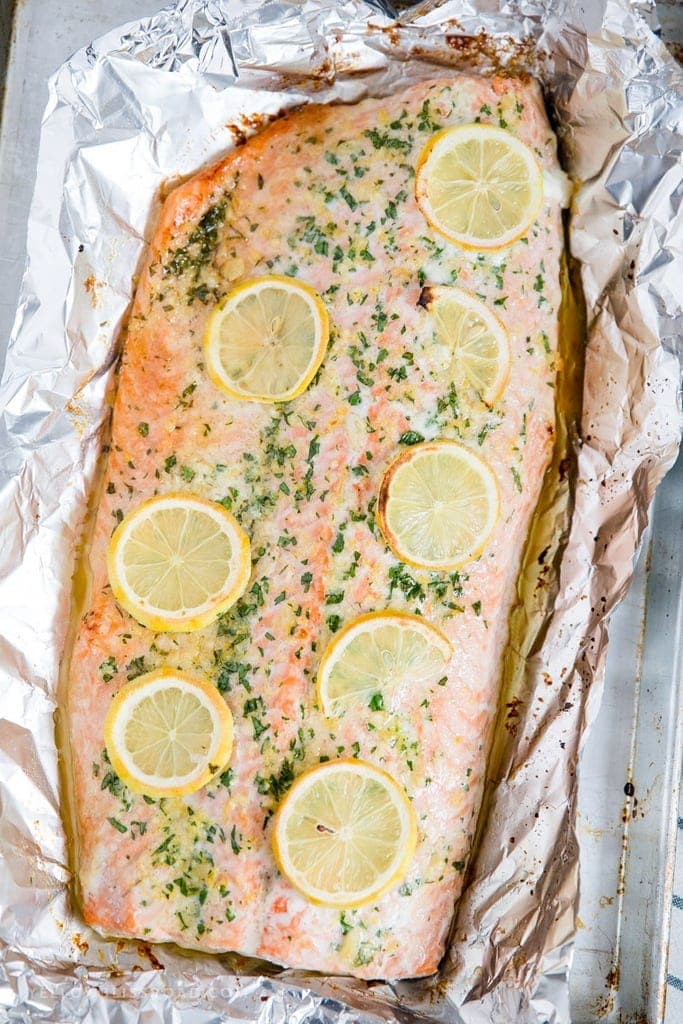
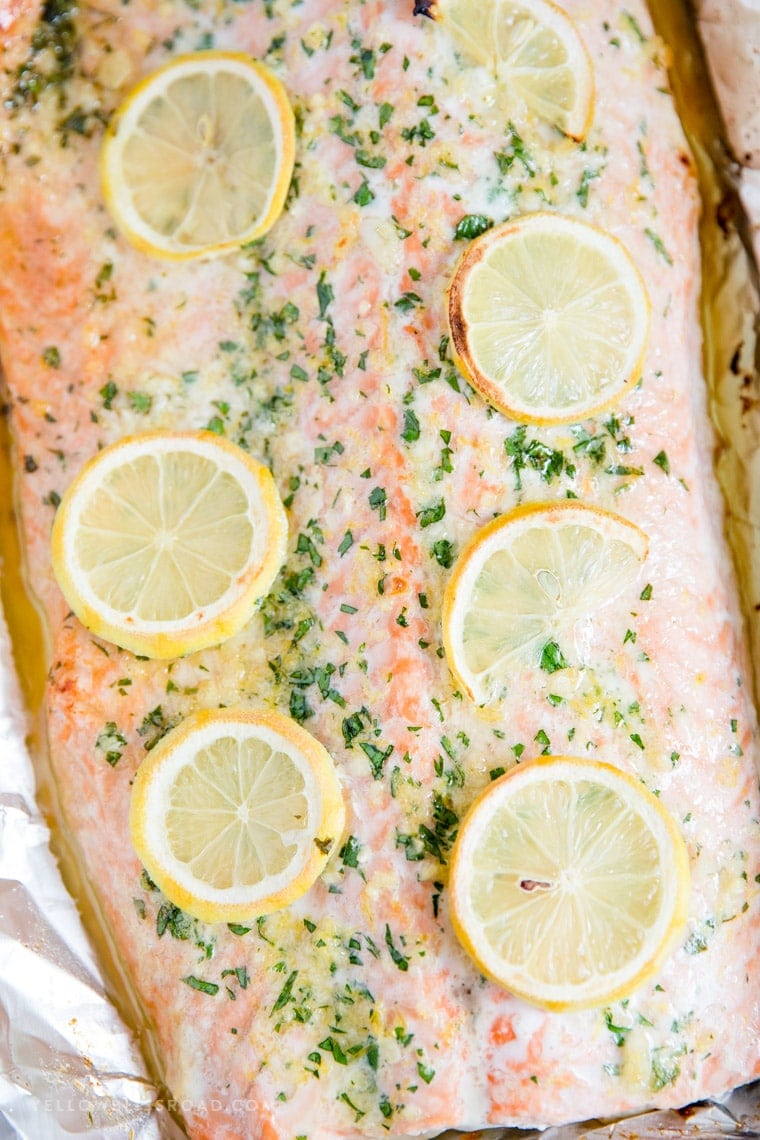
Spread the butter mixture evenly over the top of the salmon, then arrange lemon slices down the length of the fillet.
The butter will melt into the fish as it bakes, creating that irresistible golden glaze.
- Tip: Zest your lemon before slicing it. It’s much easier to zest a whole lemon than lemon slices!
Step 3 – Create the Foil Boat
Bring up the sides of the foil around the salmon to form a shallow “pan.” This keeps all those flavorful juices and melted butter contained so you can spoon them over the fish before serving.
You can tent the top loosely with foil if you prefer, but leaving it uncovered allows the top to get slightly caramelized.
Step 4 – Bake at 400°F
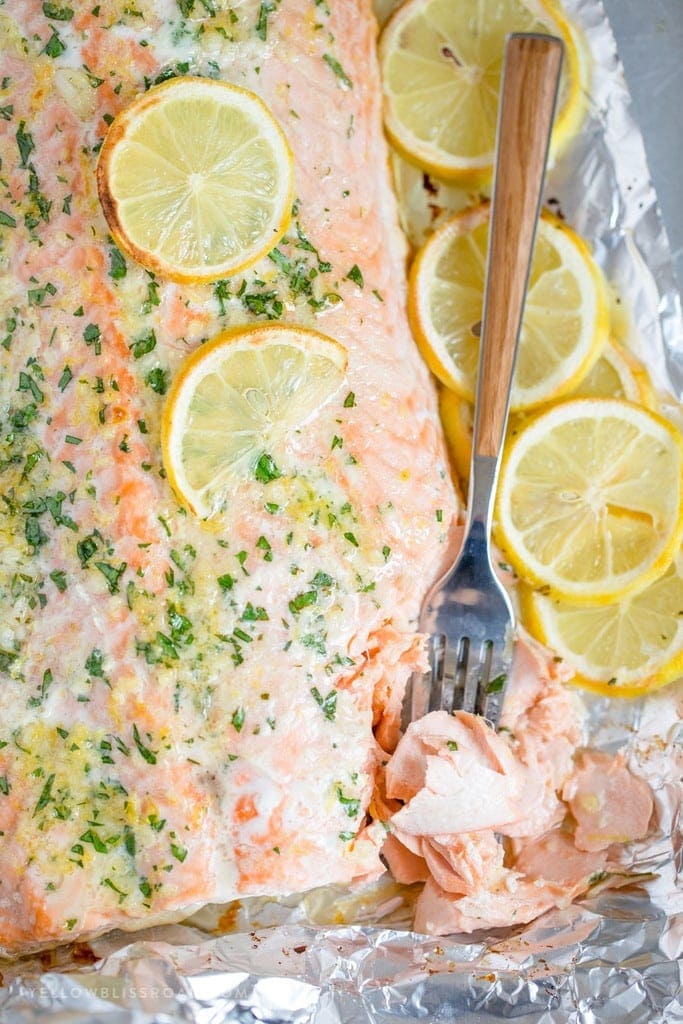
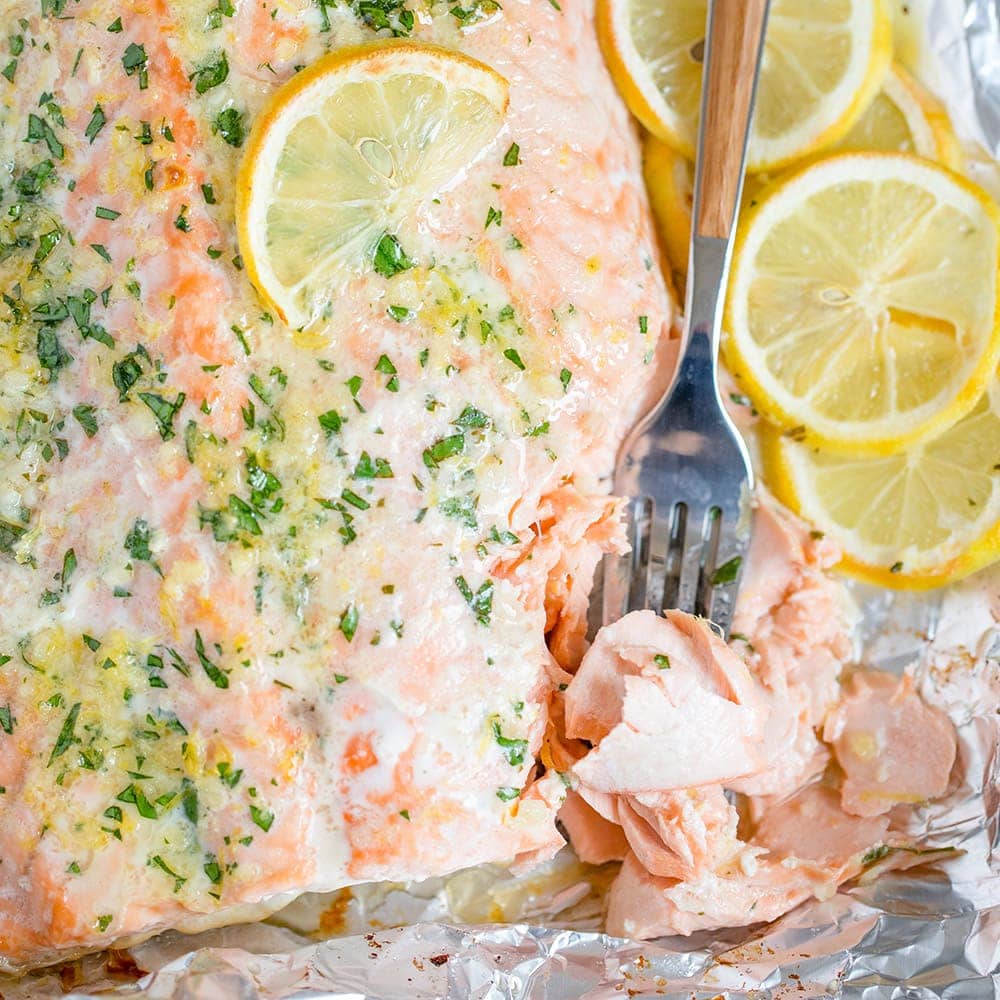
Bake for 15-18 minutes, depending on the thickness of your fillet. The salmon is done when it’s light pink in the center, flakes easily with a fork, and registers 130-140°F on a meat thermometer.
I prefer pulling it at 130-135°F. Let it rest for 5 minutes before serving, and it will continue to rise in temperature. This gives you perfectly tender salmon that’s never dry.
Serving Suggestions
Salmon has a mild flavor that pairs well with so many sides. We love it with Coconut Rice, Seasoned Rice, or just a scoop of steamed white or brown rice.
It’s also delicious with Roasted Purple Potatoes or Buttered Noodles.
For veggies, anything green works great. Think green beans, broccoli, or asparagus.
Don’t forget the finishing touches. A sprinkle of fresh parsley and a squeeze of lemon juice right before serving adds a nice burst of freshness.
Variations
I like to serve salmon with fresh lemon wedges on the side for an extra pop of brightness. But if you’re looking for different flavor options, these are a few of our favorites:
- Lemon and Herbs: Keep it simple with salt, fresh herbs like dill, parsley, and thyme, plus lemon slices.
- Salmon with Dill Sauce: Simply seasoned salmon served with a creamy dill sauce on the side.
- Honey Mustard Salmon: Topped with a blend of dijon and whole grain mustard for a slightly sweet, tangy flavor.
- Teriyaki Salmon: Salmon with a sweet and savory teriyaki glaze. We love this served in lettuce wraps.
- Olive Oil Instead of Butter: Swap the butter for extra virgin olive oil and mix in the garlic and herbs. Brush it on lightly for a lighter option.
Storage Tips
How to Store and Reheat Leftovers
Storage: Place leftovers in an airtight container within 2 hours of cooking. It will keep in the refrigerator for 2-3 days.
Reheating: Place salmon in a microwave-safe dish and heat in 30-second intervals until warmed through. For best results, cover loosely to help retain moisture.
Freezing: Fresh, uncooked salmon (that has never been frozen) can be stored in an airtight container in the freezer for up to 3 months. Thaw completely before cooking. Cooked salmon can be frozen for 4-6 months.
Frequently Asked Questions
What is the best temperature for baking salmon?
400°F is the sweet spot for oven-baked salmon. The higher heat cooks the fish quickly, which helps retain moisture inside so you end up with tender, juicy results rather than dried-out fish.
How long do you bake salmon at 400°F?
Plan on 15-18 minutes for a 1.5-pound fillet, though exact timing depends on thickness. Thinner fillets may be done closer to 12-15 minutes, while thicker cuts could take up to 20 minutes.
How do you know when salmon is done?
Look for these signs: the flesh is light pink in color, flakes easily with a fork, and registers 130-145°F on a meat thermometer. Some prefer it more medium (130-135°F) while others like it well done (145°F+). The USDA recommends 145°F for food safety.
Can you bake salmon from frozen?
Yes! Bake frozen salmon at 400°F for 20-25 minutes (about 5-8 minutes longer than fresh). Skip the butter topping at first and add it during the last 10 minutes of baking so it doesn’t burn.
How do you keep baked salmon from drying out?
The key is not overcooking it. Use a meat thermometer and pull it from the oven at 130-135°F since it will continue cooking as it rests. Cooking with the skin on also helps lock in moisture.
Should you cover salmon with foil while baking?
You can, but it’s not required. Leaving it uncovered allows the top to caramelize slightly with the butter. If you notice the top browning too quickly, tent loosely with foil for the last few minutes.
Should you leave the skin on when baking salmon?
It’s personal preference. Cooking with the skin on helps retain moisture and the skin slides off easily after baking if you don’t want to eat it. My husband loves the crispy skin, but I prefer mine without.
More Delicious Salmon Recipes To Try
- Crunchy Ramen Noodle Salad with Salmon
- Grilled Salmon Kabobs
- Smoked Salmon Dip
- Air Fryer Salmon with Lemon Butter
- Grilled Salmon Salad
- Sheet Pan Salmon, Asparagus and Potatoes
Oven Baked Salmon Recipe

Ingredients
- 1.5 pounds salmon fillet
- 1 lemon zested, then sliced
- 6 tablespoons butter softened
- 2 tablespoons honey
- 3 cloves garlic minced
- 2 teaspoons fresh minced parsley
- Kosher salt
Instructions
- Preheat oven to 400 degrees F. Line a large rimmed sheet pan with foil.
- Lay the salmon skin-side down on the foil. Season lightly with salt.
- In a small bowl, combine softened butter, honey, garlic, lemon zest, and minced parsley. Spread evenly over the top of the salmon, then top with lemon slices.
- Bring up the sides of the foil around the salmon to create a shallow boat. This keeps the juices contained. Covering completely is optional.
- Bake for 15-18 minutes until the salmon is light pink, flakes easily with a fork, and registers 130-140°F on a meat thermometer.
- Remove from the oven and let rest for 5 minutes before serving. Serve with extra lemon wedges if desired.
Notes
- Don’t skip the rest time. Letting the salmon rest for 5 minutes allows the temperature to rise and the juices to redistribute.
- Check for doneness early. Start checking at 12 minutes for thinner fillets. You can always cook longer, but you can’t undo overcooked fish.
- Temperature guide: 130-135°F for medium, 135-140°F for medium-well, 145°F+ for well done. The USDA recommends 145°F.
- Frozen salmon: Add 5-8 minutes to the cooking time. Add the butter topping during the last 10 minutes.
- Foil is key. Use good quality nonstick foil. The honey in the butter can stick, and foil makes cleanup easy.
- Storage: Refrigerate leftovers in an airtight container for 2-3 days.
- Reheating: Microwave in 30-second intervals, covered loosely to retain moisture.
- Freezing: Freeze uncooked fresh salmon up to 3 months; cooked salmon up to 4-6 months.
Nutrition
Nutritional Disclaimer Kristin Maxwell of “Yellow Bliss Road” is not a dietician or nutritionist, and any nutritional information shared is an estimate. For accurate calorie counts and other nutritional values, we recommend running the ingredients through your preferred online nutritional calculator. Calories and other nutritional values can vary depending on which brands were used.


Easy and delicious. So many recipes overpower the salmon, but this was a mild but flavorful preparation. I’ll definitely be making this again.
Awesome feedback Susan! Thanks for stopping by.
Wow, it was a great and quick way to cook salmon, this is the way salmon should taste. Thanks.
Hi Kristin. I just made your easy baked salmon and you’re right, it’s the best salmon I’ve ever eaten. I also prefer the farm raised salmon. I think the wild is way too fishy tasting. Thanks for the great recipe!
Thank you April! I’m glad you enjoyed it!