
This post may contain affiliate links. Please read our disclosure policy.
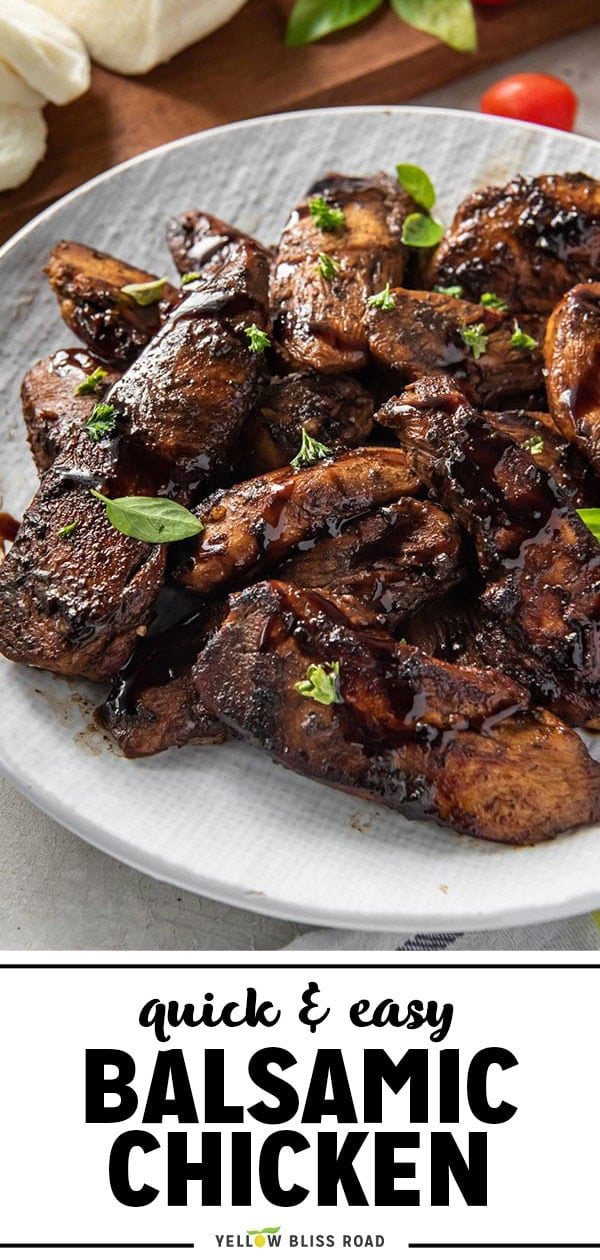
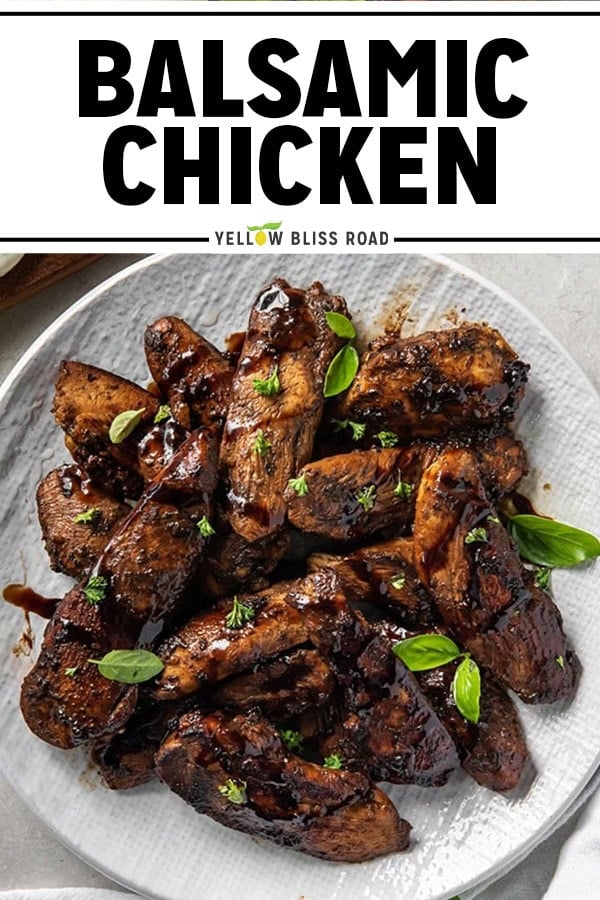
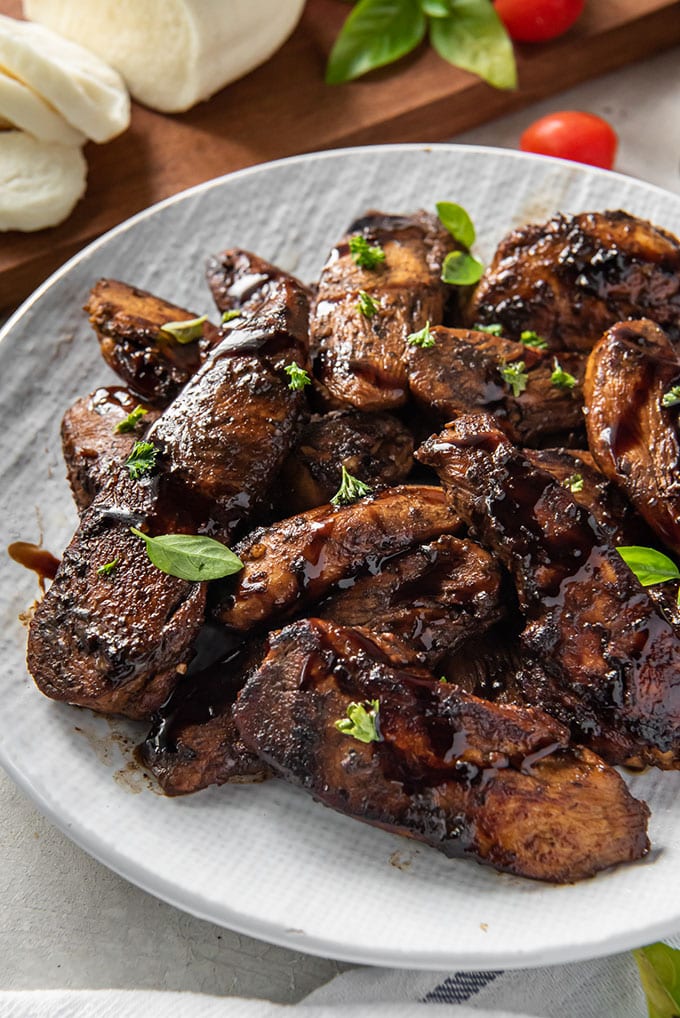
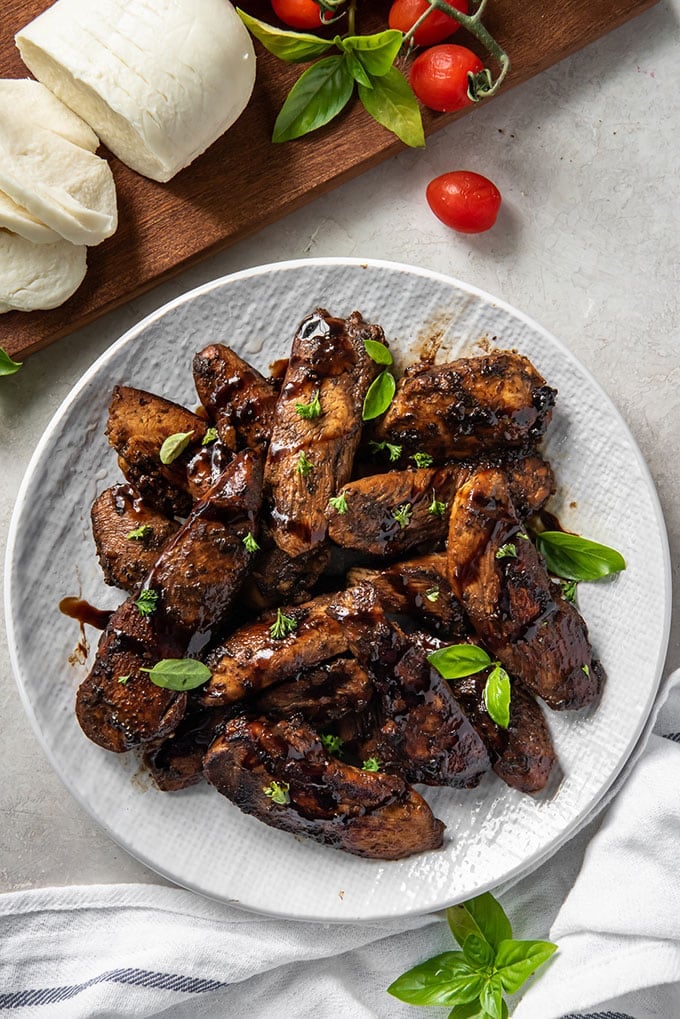
Balsamic chicken is proof that a good marinade does most of the work. Chicken broth, balsamic vinegar, garlic, and Italian seasoning keep the meat tender while it cooks, and the whole thing comes together in one skillet in about ten minutes. It is one of those dinners I start in the morning and barely think about again.
More easy chicken dinners on rotation: Stove Top Chicken Breast | Oven Baked Chicken Breasts | Grilled Chicken Thighs
Before You Get Started
White meat dries out fast, and a marinade only protects it up to a point. These three things are what separate tender balsamic chicken from the tough, gray version.
- Cook to 165°F, not to the clock. Tenders, breasts, and thighs all finish at different times, so an instant read digital meat thermometer is the only way to nail all three.
- Pat the chicken dry before it hits the pan. Wet marinade steams instead of searing. You want the surface dry and the pan hot.
- Give each piece room in the skillet. Chicken that touches will steam. Work in two batches if your pan is crowded.
How Long to Marinate
This is the question I get most, and the answer has a floor and a ceiling.
Minimum 30 minutes. That is enough for the balsamic and garlic to season the surface. Thirty minutes on the counter is fine and it is what I do on a normal weeknight.
Anything past 30 minutes goes in the fridge. Two to four hours is the sweet spot if you have the time. The flavor gets noticeably deeper.
Twelve hours is the ceiling. Balsamic is acidic, and past about half a day it starts breaking down the surface of the meat. The texture turns soft and slightly chalky instead of firm and juicy. Overnight is fine. A full day is not.
Acid-based marinades all behave this way. My Citrus Grilled Chicken uses the same principle with lemon and orange juice, and it has the same upper limit for the same reason.
If you are out of balsamic, red wine vinegar is the closest swap and gives you a sharper, less sweet result. Balsamic vinaigrette works in a pinch, but it is already diluted and usually sweetened, so use a little more and go easy on any added salt.
RECIPE WALK-THROUGH
How to Make Balsamic Chicken Tenders
See the recipe card below for full, detailed instructions
Five minutes of prep, a wait, and then ten minutes at the stove. Here is how it goes.
1. Whisk the marinade
Combine chicken broth, balsamic vinegar, minced garlic, and Italian seasoning in a bowl or measuring cup and whisk until it looks uniform. It will smell sharp at this point, which is normal. The broth softens the vinegar considerably once it cooks.
- If you want a glaze to spoon over at the end, set aside 3 to 4 tablespoons of the marinade now, before any raw chicken touches it.
2. Marinate the chicken
Put the chicken in a resealable bag or shallow dish, pour the marinade over, and press out the air so everything stays submerged. Massage the bag to coat every piece.
Let it sit 30 minutes on the counter, or refrigerate for up to 12 hours.
3. Pat dry and season
Lift the chicken out of the marinade and blot both sides with paper towels. This feels counterintuitive after all that marinating, but the flavor is already in the meat and the surface moisture is the only thing standing between you and a good sear.
Season with salt right before cooking.
4. Sear in a hot skillet
Heat the oil in a large heavy bottomed skillet over medium high until it shimmers. Add the chicken in a single layer with space between each piece, working in batches if you need to. Cook until deeply browned on the first side, then flip once.
Timing by cut, all to an internal temperature of 165°F:
- Chicken tenders: 3 to 4 minutes per side
- Boneless breasts: 5 to 7 minutes per side
- Boneless thighs: 6 to 8 minutes per side
Resist moving the chicken around. Let it sit and build color.
- Prefer the oven? Bake at 400°F for 12 to 15 minutes for tenders, or 20 to 25 minutes for breasts, until they reach 165°F.
5. Rest before serving
Transfer to a plate and tent loosely with foil for 5 minutes. The juices redistribute during this window, and skipping it is why chicken that looked perfect in the pan ends up dry on the plate.
For a quick glaze: pour the reserved marinade into the empty skillet and simmer 2 to 3 minutes, scraping up the browned bits, until it thickens enough to coat a spoon. Spoon it over the sliced chicken.
- If thighs are what you have on hand, my collection of Boneless Chicken Thighs Recipes has plenty more ways to use them.
What to Serve Alongside
Balsamic chicken is tangy and savory, so it wants two things on the plate: something roasted with caramelized edges to echo the sweetness, and something starchy to catch the pan juices. A creamy side is the third option if you want contrast rather than an echo.
- Oven Roasted Vegetables
- Garlic Roasted Baby Potatoes
- Caprese Pasta Salad
- Cheesy Garlic Bread
- Cauliflower Mac and Cheese
- Copycat Olive Garden Salad
Storage Tips
Storing and Reheating
Refrigerator: Store in an airtight container for 4 to 5 days. The flavor actually improves overnight.
Freezer: Freeze cooked chicken up to 6 months. Cool it completely first, then freeze in a single layer before bagging so the pieces do not fuse together.
Reheating: A covered skillet over low heat with a splash of broth is the gentlest method. The microwave works, but use 50 percent power and stop as soon as it is warmed through.
Make it ahead: You can marinate the chicken up to 12 hours in advance, which makes this a good morning-prep dinner. You can also freeze the raw chicken directly in the marinade and let it season as it thaws in the fridge.
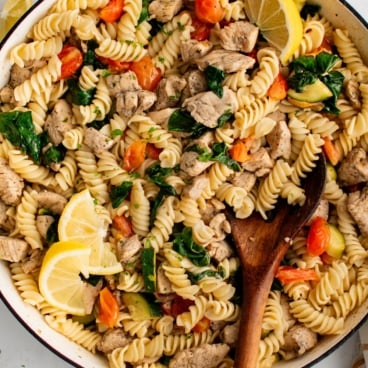
Leftovers: This is where balsamic chicken earns its keep. Slice it cold over greens, or fold it into my Creamy Chicken Pasta Salad for lunches through the week. I usually cook a double batch for exactly this reason.
Frequently Asked Questions
Can I use the leftover marinade as a sauce?
Not the marinade the raw chicken sat in. If you want a sauce, set aside a few tablespoons of the fresh marinade before the chicken goes in, then simmer it in the empty skillet for 2 to 3 minutes after the chicken comes out. It picks up the browned bits from the pan and thickens into a glaze.
Can I use balsamic vinaigrette instead of balsamic vinegar?
Yes, with a small adjustment. Vinaigrette is already diluted with oil and usually sweetened, so it will give you a milder, sweeter result. Use a bit more than the recipe calls for, skip the added oil, and taste before you salt since most bottled vinaigrettes are already seasoned.
Why didn’t my chicken brown?
Almost always surface moisture. Marinated chicken goes into the pan wet, and that water has to evaporate before any browning can start, which means the chicken steams in the meantime. Blot both sides dry with paper towels, make sure the oil is shimmering before the chicken goes in, and give each piece space.
Can I make this with frozen chicken?
Thaw it first. Frozen chicken releases water as it cooks, which prevents a sear, and the marinade cannot penetrate frozen meat anyway. If you are planning ahead, freeze the raw chicken in the marinade instead. It seasons as it thaws in the fridge and you get a better result than marinating after thawing.
More Italian-Style Chicken Dinners
- Baked Chicken Caprese
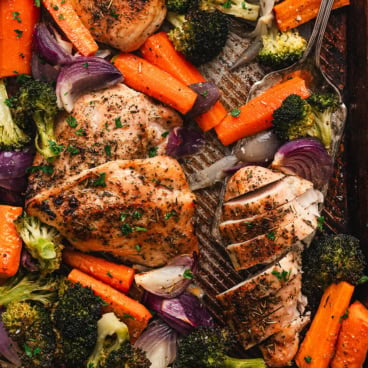
- Sheet Pan Chicken and Vegetables
- Crispy Garlic Parmesan Baked Chicken
- Slow Cooker Creamy Italian Chicken with Pasta
- Instant Pot Chicken Marsala
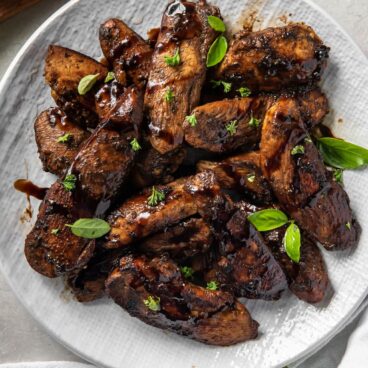
Balsamic Chicken

Ingredients
- 1/3 cup chicken broth
- 1/4 cup balsamic vinegar
- 1 clove garlic minced
- 1/2 teaspoon Italian seasoning
- 1.5 pounds chicken tenders, boneless skinless breasts, or boneless skinless thighs
- 1 tablespoon oil
- Salt to taste
Instructions
- Whisk together the chicken broth, balsamic vinegar, garlic, and Italian seasoning until combined. If you want a finishing glaze, set aside 3 to 4 tablespoons of the marinade now, before it touches raw chicken.
- Place the chicken in a resealable bag or shallow dish and pour the marinade over. Press out the air, massage to coat every piece, and let sit on the counter for 30 minutes or refrigerate for up to 12 hours. Do not go past 12 hours.
- Remove the chicken from the marinade and blot both sides dry with paper towels. Season with salt. Discard the used marinade.
- Heat the olive oil in a large heavy bottomed skillet over medium high heat until it shimmers. Add the chicken in a single layer with space between each piece, working in batches if needed.
- Cook until deeply browned on the first side, then flip once and cook until the internal temperature reaches 165°F. Tenders take 3 to 4 minutes per side, breasts 5 to 7, and thighs 6 to 8. Avoid moving the chicken while it sears.
- Transfer to a plate and tent loosely with foil. Rest 5 minutes before serving.
- Optional glaze: pour the reserved marinade into the empty skillet and simmer 2 to 3 minutes, scraping up the browned bits, until it coats a spoon. Spoon over the sliced chicken.
Notes
- Marinating window: Minimum 30 minutes, maximum 12 hours. Balsamic is acidic and will soften the texture of the meat past that point.
- Counter vs. fridge: Thirty minutes on the counter is fine. Anything longer goes in the refrigerator.
- Pat the chicken dry. The single biggest factor in whether it browns. The flavor is already in the meat, so you are not losing anything.
- Cook to temperature, not time. All cuts finish at 165°F. Timing varies by thickness more than by cut.
- Oven method: Bake at 400°F for 12 to 15 minutes for tenders, or 20 to 25 minutes for breasts, until they reach 165°F.
- Vinegar swaps: Red wine vinegar is the closest substitute and gives a sharper result. Balsamic vinaigrette works but is diluted and sweetened, so use slightly more and go easy on the salt.
- Storage: Refrigerate up to 4 to 5 days or freeze up to 6 months. Reheat gently in a covered skillet with a splash of broth.
- Meal prep: Cook a double batch. Leftovers are excellent cold over greens or folded into a pasta salad.
- Freezer shortcut: Freeze the raw chicken directly in the marinade. It seasons as it thaws.
Nutrition
Nutritional Disclaimer Kristin Maxwell of “Yellow Bliss Road” is not a dietician or nutritionist, and any nutritional information shared is an estimate. For accurate calorie counts and other nutritional values, we recommend running the ingredients through your preferred online nutritional calculator. Calories and other nutritional values can vary depending on which brands were used.


This looks delicious, and it is even allergen safe for me just the way it is — a rare treat!! I saw it on the Link Party Palooza. I’ll be pinning it too.